Which Pole Barn Colors Are Most Energy Efficient?
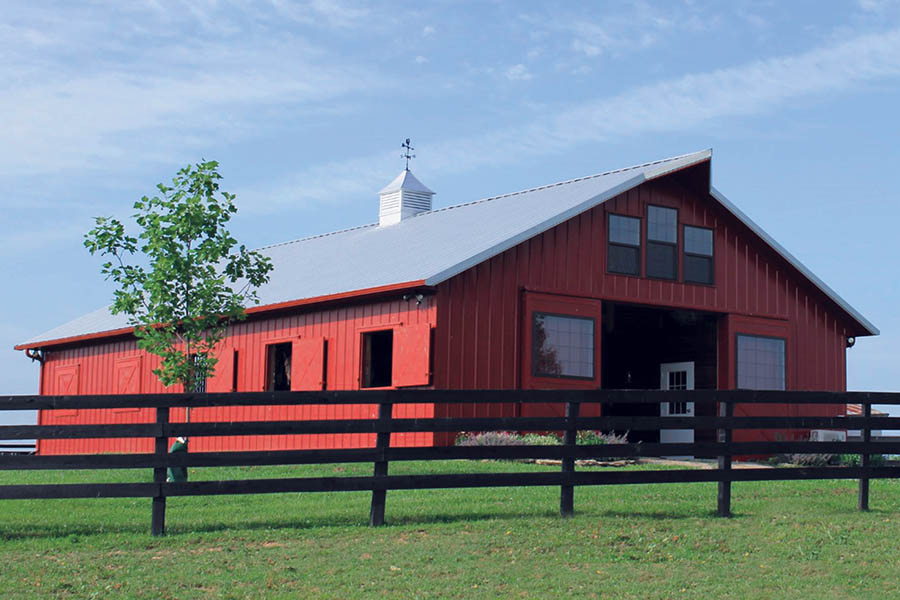
Most people start by thinking about how their pole barn will look. That’s understandable. The colors you choose really do make a difference.
You want your building to look good on your property, match your home or farm, and fit the style you want. But color isn’t just about looks. It also affects how much heat your roof and siding take in from the sun. Simply put, lighter and more reflective colors usually keep a pole barn cooler, while darker colors soak up more heat. This is especially important for the roof, since it has the greatest sun exposure.
In this guide, we’ll look at how choosing the right pole barn color can help improve energy efficiency, make your building last longer, and keep it comfortable.
The Most Energy-Efficient Pole Barn Colors
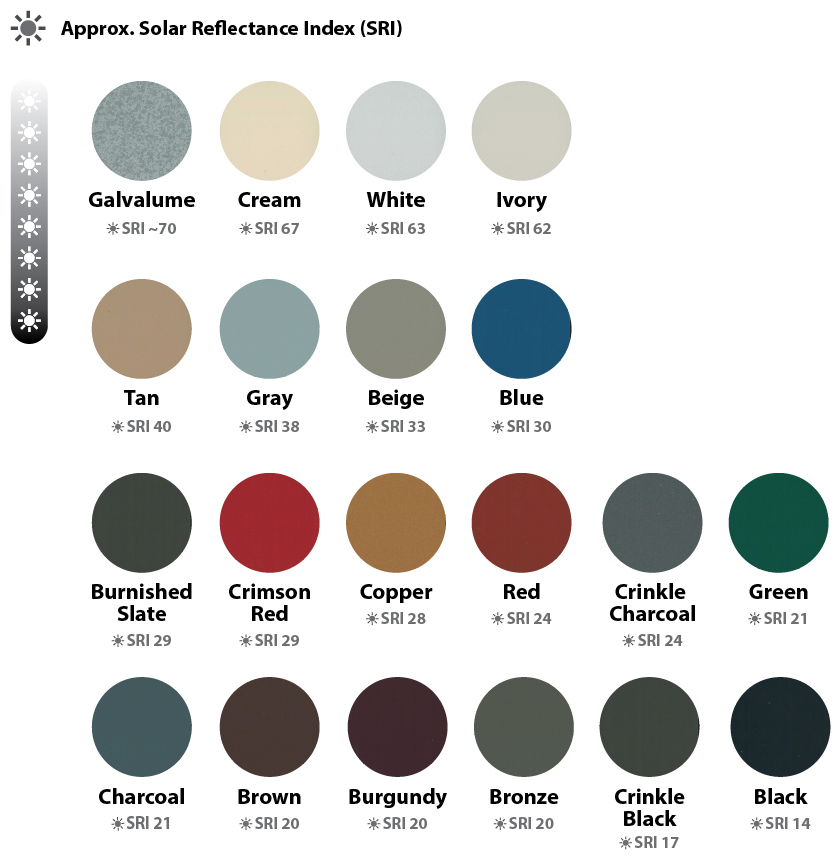
At Walters Buildings, the most energy-efficient exterior colors are those with the highest Solar Reflectance rating. Solar Reflectance, or SR, measures how much solar energy a surface reflects instead of absorbing.
Based on our current color chart, the highest-reflectance options are:
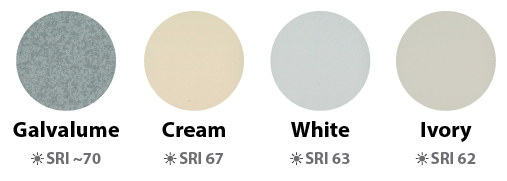
If energy efficiency is most important to you, the best choices are Galvalume, Cream, White, and Ivory. These colors reflect the most solar energy and are typically the best roof colors for keeping a pole barn cooler.
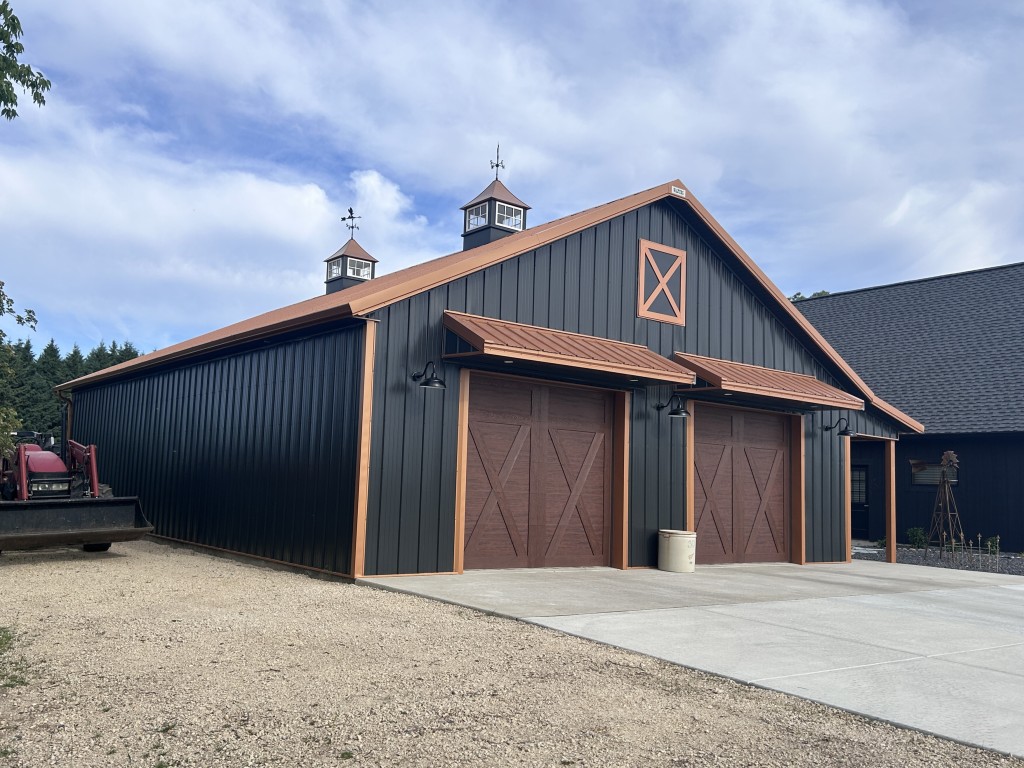
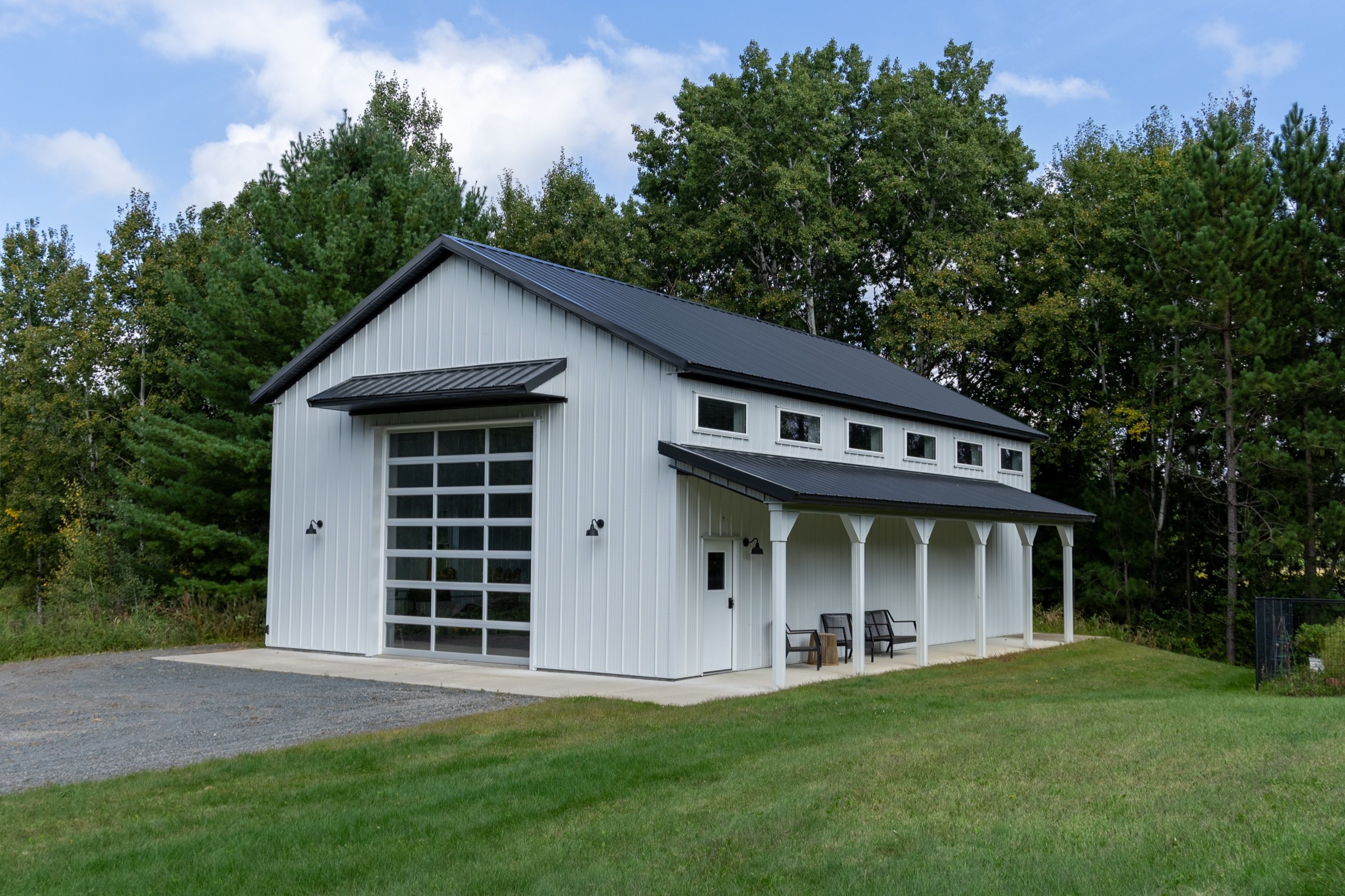
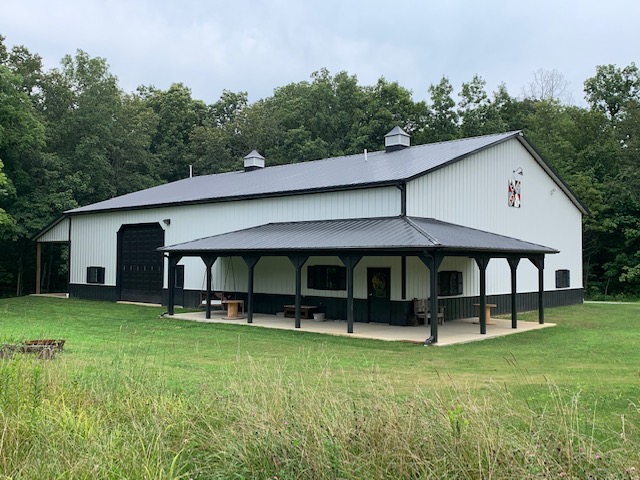
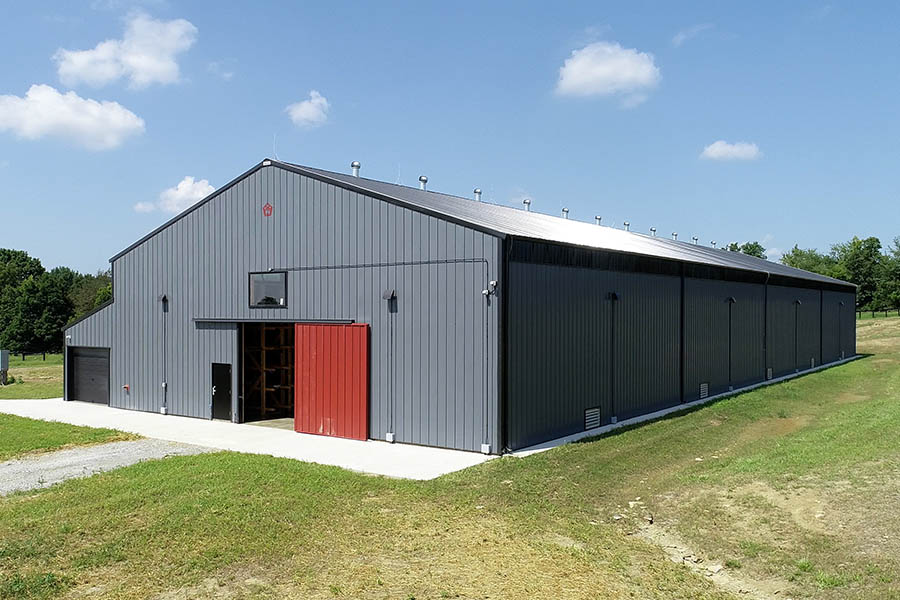
That does not mean darker colors are a bad choice. Many people like black, charcoal, bronze, brown, and burnished slate because they look sharp and modern. Just keep in mind that darker colors absorb more heat, so they might not be the best roof option if you’re worried about summer costs or cooling costs.
Are Dark Pole Barn Colors Better in Cold Climates?
Energy efficiency isn’t always about keeping heat out. In colder climates, a darker roof or wall color can actually help because dark colors absorb more solar energy. That absorbed heat can slightly warm the building surface during sunny winter days, making a difference for buildings that are used all year.
However, there is a tradeoff. The same dark roof that absorbs helpful winter sun will also absorb more heat in the summer. So, darker colors may make sense for some cold-storage buildings, agricultural buildings, or shops where winter comfort matters more than summer cooling. But if your buildings will be cooled, used often, or serve as an office, hobby shop, or living space, a lighter roof color may still be the better choice for saving energy.
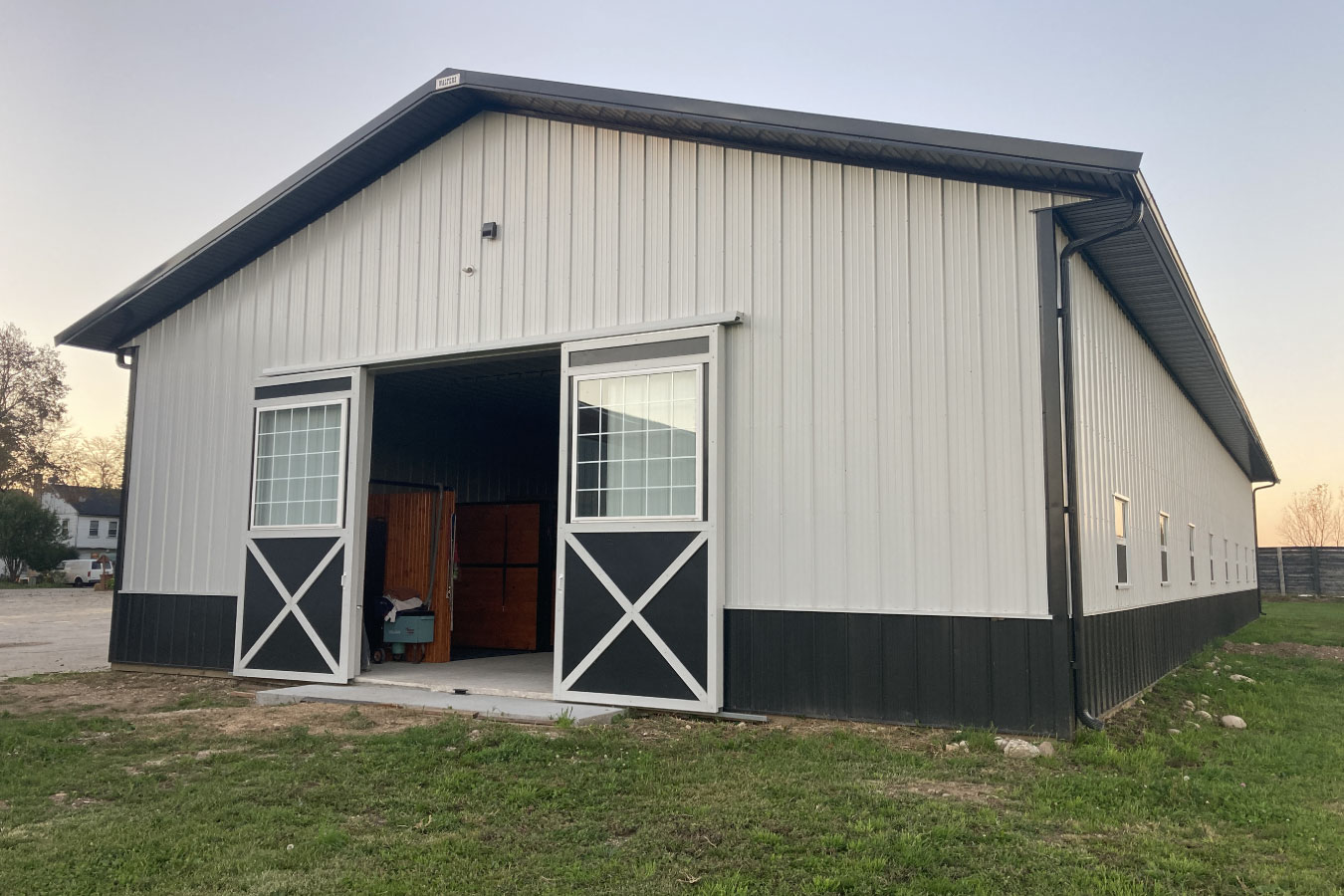
In places like Wisconsin, Illinois, Minnesota, Ohio, and other northern areas, the best energy-efficient color depends on how you’ll use your building. If summer heat is the concern, choose a lighter, higher-reflectance roof color. If winter solar gain is more important, a darker color may have some benefit. Many people find that a lighter roof with darker walls, trim, or wainscot is the best balance of performance and appearance.

What Does “Cool Color” Mean?
A “cool color” roof isn’t always a light color. A cool roof is one that reflects sunlight and releases absorbed heat efficiently. CRRC explains that cool roofs are measured by two basic properties: Solar Reflectance and Thermal Emittance, both measured on a scale from 0 to 1.
That’s why some darker metal colors can perform better than older versions of the same color. New “cool color” paint technology can reflect more of the sun’s near-infrared energy, even when the color still looks dark to the eye. However, lighter colors still tend to have the highest Solar Reflectance overall.
What Happened to ENERGY STAR Roof Colors?
In the past, many metal roofing products were marketed as ENERGY STAR rated. However, that program no longer applies to roofing products. The ENERGY STAR roof products specification ended on June 1, 2022, so roof products are no longer certified under that program.
Today, the better standard to look for is a product’s CRRC rating. The Cool Roof Rating Council gives third-party ratings for roofing products based on how well they reflect sunlight and release heat, called surface radiative performance using Solar Reflectance and Thermal Emittance scores.

Why Roof Color Matters More Than Wall Color
Most pole barn roofs get the most direct sunlight, so roof color usually has the biggest impact on heat gain.
A darker roof can still work well. It just becomes more important to pay more attention to the full building design, including insulation, ventilation, windows, doors, and how you plan to use the space inside.
If you want the most energy-efficient color package, consider using a high-reflectance color for the roof and choose your favorite wall, trim, or wainscot colors for looks.

Best Cooling Performance Color
Galvalume, White, Cream, or Ivory

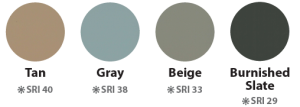
Balanced for Appearance and Performance
Tan, Gray, Beige, or Burnished Slate
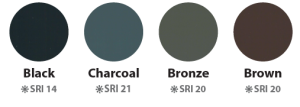
Best Colors for a Modern Appearance
Black, Charcoal, Bronze, or Brown roof, with added attention to insulation and ventilation
Energy Efficiency Is More Than Color
Color matters, but it is only one part of an energy-efficient pole barn.
A well-designed post-frame building should consider:
- Roof color and reflectivity
- Proper insulation
- Ventilation
- Condensation control
- Window and door placement
- Building orientation
- How the building will actually be used
Industry guidance on energy-efficient pole barns consistently points to roof insulation, reflective roofing, windows, lighting, and ventilation as important factors—not just color.
For a climate-controlled shop, office, garage, hobby building, or residential-style post-frame building, color selection matters more than it would for a cold-storage building. The more you plan to heat or cool the space, the more you should focus on the roof color and insulation.
How Walters Helps You Choose
The Right Color for Your Needs
At Walters Buildings, we want your building to look great and perform well for decades. Our steel panels are 28-gauge structural steel, use a BeckryTech paint system, and carry warranty protection for film integrity, chalking, and color change. Our steel is UL 2218 Class 4 impact-rated for hail protection.
Our color chart is designed to help you compare colors visually and understand how they perform. Each color includes a Solar Reflectance rating so you can make a more informed decision.
Final Recommendation
If you are asking, “What pole barn color is the most energy efficient?” the answer is simple: Choose Galvalume, White, Cream, or Ivory for the roof if you want the most solar reflectance and less heat absorption.
If your goal is to reduce summer heat gain, choose Galvalume, White, Cream, or Ivory for the roof. If your building is in a cold climate and you want more winter heat absorption, darker colors may have some seasonal benefit. The best choice depends on your climate, building use, insulation package, and whether you care more about summer cooling or winter warmth.
In the end, the best pole barn color is the one that balances appearance, energy performance, building use, and long-term durability. A Walters Buildings District Manager can help you compare color options and design a building that fits both your property and your priorities.
Share This Article!
More Recent Posts
Ready to Start Your Own Custom Project?
Contact our project management team today for a personalized quote and start planning your dream building with Walters.